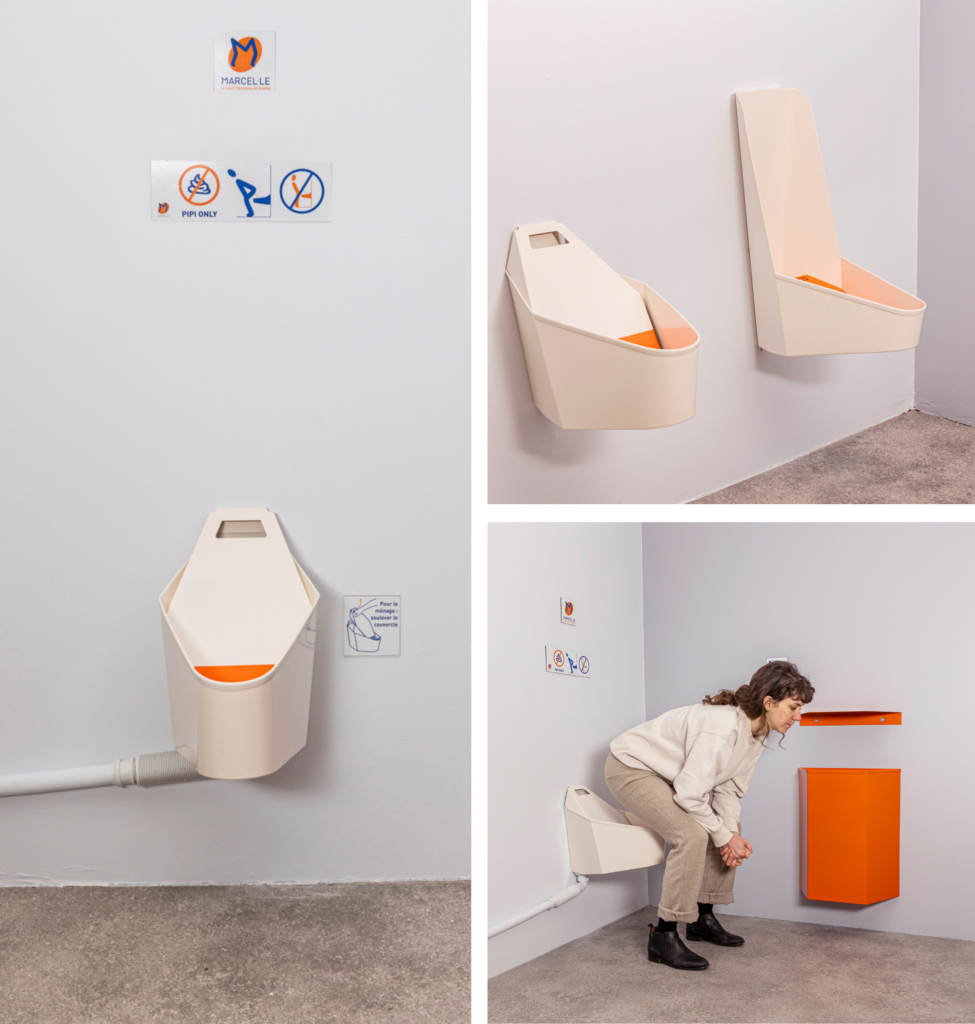

Human urine, a high-value fertilizer
Without water, Marcel·le urinals do more than just lower your water bill:
They collect urine at the source to turn it into a resource.
This principle, known as “source separation”, is at the heart of ecological and circular sanitation.
Why Use Urine in Agriculture?
A Direct Alternative to Synthetic Fertilizers
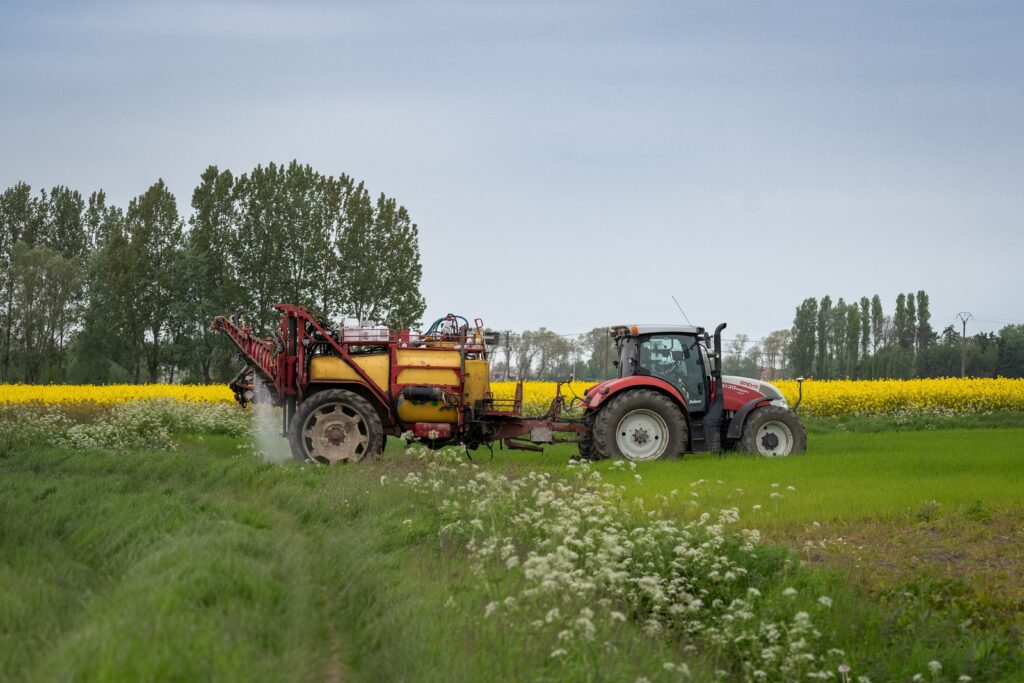
Urine is a natural concentrate of nutrients essential for plant growth, primarily nitrogen (N), phosphorus (P), and potassium (K). Today, conventional agriculture relies heavily on synthetic fertilizers, the production of which has a significant environmental impact:
– Synthetic nitrogen is produced from natural gas (via the Haber-Bosch process), an extremely energy-intensive process that emits greenhouse gases.
– Phosphorus is extracted from mines (phosphate ores), whose global reserves are rapidly being depleted and are concentrated in just a few countries.
Using urine as an agricultural fertilizer makes it possible to bring fertilizer production closer to home, reduce dependence on fossil fuels, and ensure truly sustainable agriculture.
The Nonsense of “Flush It All Down the Drain”
At the household level, urine accounts for only about 1% of the total volume of our wastewater, but it alone contains nearly 80% of the nitrogen and 60% of the phosphorus we discharge.
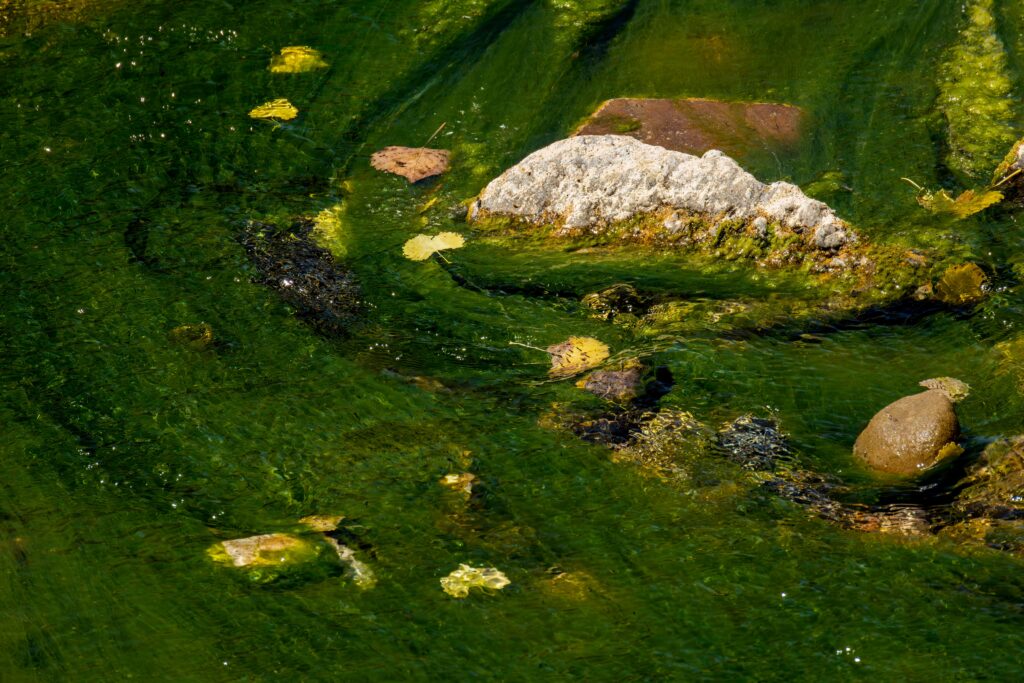
By flushing urine down the toilet, these valuable nutrients are massively diluted. However, urban wastewater treatment plants are not designed to recycle these elements, but rather to destroy or filter them at great expense. Despite extensive treatment processes, a significant portion of this nitrogen and phosphorus ends up in our waterways, causing eutrophication (the proliferation of green algae and the suffocation of rivers).
Collecting urine at the source using waterless urinals therefore simultaneously reduces drinking water consumption, the treatment costs at wastewater treatment plants, and the environmental pressure on aquatic ecosystems.
Controlled Health Safety
Unlike fecal matter, which contains nearly all pathogens (bacteria, viruses), the urine of a healthy individual is sterile in the bladder and poses an extremely low biological risk once excreted. This characteristic greatly facilitates its collection and recovery. According to World Health Organization (WHO) recommendations, simple storage in a closed tank (sanitization through a natural rise in pH) is sufficient to neutralize any pathogens before safe agricultural application.
The Impact of Resource Recovery: Key Figures
(Data from the OCAPI Program—École des Ponts ParisTech / INRAE)
- 1% of the volume, 80% of the pollution: Urine accounts for 1% of domestic wastewater but contains 80% of the nitrogen and 60% of the phosphorus discharged as a result of human activity.
- Enormous fertilizing power: The urine produced by a single person over the course of a year can fertilize approximately 400 to 500 m² of wheat fields.
- Direct food potential: If all the urine in the Île-de-France region were recycled, it could produce enough wheat to bake 25 million baguettes a day.
- River Protection: The Paris metropolitan area’s current wastewater treatment system removes only about 60% of the nitrogen. As a result, it is as if 4 million residents were discharging the nitrogen from their urine directly into the Seine every day.
- Reducing GHG Emissions by a Factor of 3: Greenhouse gas emissions associated with our food-waste system are reduced by a factor of three when urine is collected at the source and utilized in fields located within 100 km.
Without Water: Conserving the Resource and Becoming Independent of the Water Supply System
Beyond its agronomic benefits, source separation addresses a water crisis. In French households, flushing the toilet accounts for 20% of daily drinking water consumption (or about 30 to 40 liters of drinking water per person per day, literally flushed down the drain). In public spaces, public-access facilities, and at events, this proportion is even more staggering.
By choosing a Marcel·le waterless urinal, you save thousands of liters of drinking water per year per unit. You also eliminate the need for water connections: the unit can be installed in remote natural settings, at festivals, or in eco-communities with no water supply.